
The global Aerospace and Defense Materials Market is undergoing significant transformation as aircraft manufacturers and defense organizations prioritize lightweight structures, improved durability, advanced manufacturing technologies, and higher operational efficiency. Increasing demand for specialized materials across commercial aviation, military aircraft, satellites, and propulsion systems is creating opportunities for material suppliers and aerospace manufacturers.
According to Dimension Market Research, the global Aerospace and Defense Materials Market was projected to reach USD 44.1 billion in 2024 and is forecast to expand to USD 83.5 billion by 2033, registering a CAGR of 7.4% during the forecast period.
This expansion reflects rising investment in aircraft modernization, defense capabilities, sustainable aviation technologies, and advanced composite materials. Manufacturers are increasingly exploring carbon fiber composites, titanium alloys, superalloys, and high-performance polymers to achieve improved strength, reduced weight, and enhanced resistance to challenging operating environments.
What Is the Aerospace and Defense Materials Market?
The Aerospace and Defense Materials Market includes specialized metals, composites, polymers, and engineered materials used in the development and manufacturing of aircraft, spacecraft, military equipment, propulsion systems, and supporting components.
Unlike conventional industrial materials, aerospace-grade materials must satisfy strict requirements concerning structural integrity, fatigue resistance, thermal stability, corrosion protection, and performance under extreme operating conditions.
Common material categories include aluminum, titanium, composites, steel, plastics, and superalloys. Their applications extend from aircraft cabin interiors and fuselage structures to satellite components, military platforms, and high-temperature engine systems.
Aerospace and Defense Materials Market: Key Statistics
● 2024 Market Size: USD 44.1 Billion
● 2033 Market Forecast: USD 83.5 Billion
● Forecast CAGR: 7.4%
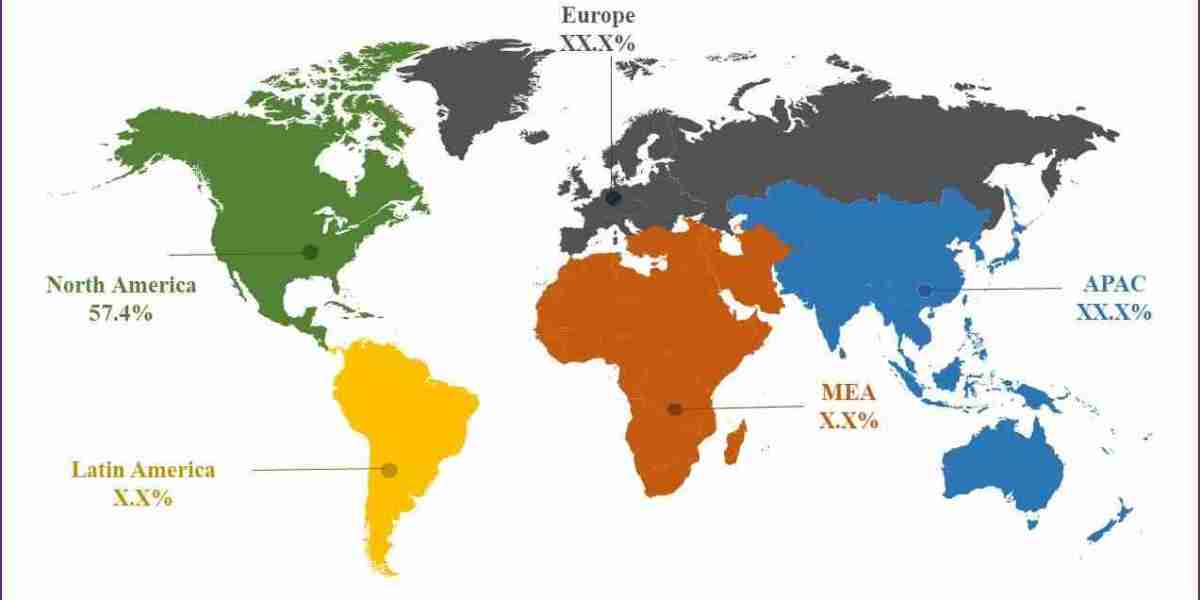
● North America Revenue Share: 57.4% in 2024
● Commercial Aircraft Share: 52.9%
● U.S. Market Size: USD 22.3 Billion in 2024
● Leading Material: Composites
● Leading Application: Cabin Interiors
These figures highlight the importance of commercial aviation, advanced materials engineering, and established aerospace manufacturing ecosystems in shaping market development.
Why Is the Aerospace and Defense Materials Market Growing?
Aircraft manufacturers increasingly need materials that reduce structural weight while maintaining demanding safety and performance standards. Lightweight composites and titanium alloys support this requirement by offering strength, corrosion resistance, and durability.
The expanding need for fuel-efficient aircraft also encourages manufacturers to reassess traditional material choices. Advanced composites enable greater design flexibility, while specialized alloys remain important for structures and propulsion components exposed to demanding mechanical and thermal conditions.
Defense modernization represents another growth driver. Military aircraft, unmanned aerial vehicles, surveillance systems, and other advanced defense platforms require engineered materials capable of supporting reliability, survivability, and operational performance.
Technological innovation is also influencing production methods, particularly through additive manufacturing, automation, and improvements in material processing.
Get a Free Sample of the Aerospace and Defense Materials Market Report
Explore the market's detailed segmentation, regional analysis, competitive developments, and future growth opportunities. The sample report provides an introduction to the research scope and the factors shaping demand across aerospace and defense applications.
https://dimensionmarketresearch.com/request-sample/aerospace-and-defense-materials-market/
How Are Advanced Materials Transforming Aerospace Manufacturing?
Material innovation is changing how aerospace components are designed, produced, and maintained.
Composites are expected to remain the leading material category because they offer high strength relative to weight, corrosion resistance, and flexibility in developing complex structures.
Titanium is important for components requiring strong mechanical performance and corrosion resistance. Superalloys support demanding high-temperature applications, particularly within propulsion systems.
Additive manufacturing is another important development. It enables the production of complex components while potentially reducing material waste and supporting more flexible manufacturing processes.
Sustainability is also becoming a consideration, encouraging research into recyclable composites, environmentally preferable materials, and more efficient production methods.
Market Segmentation and Leading Applications
The market is segmented by material, application, and aircraft type.
Composites are projected to lead the material category, supported by their suitability for lightweight aerospace structures. High-performance plastics are also gaining attention for interior and non-structural applications.
Cabin interiors are identified as the leading application segment. Plastics and composite materials are used in armrests, decorative panels, trim components, and other interior elements requiring durability and compliance with aerospace standards.
Commercial aircraft account for the leading aircraft-type segment, representing 52.9% of market revenue. Growing airline fleets, aircraft development programs, and demand for efficient aircraft support this position.
The military aerospace segment is expected to experience strong growth as defense organizations pursue advanced aircraft and fleet modernization programs.
Regional Outlook: North America Leads, Asia-Pacific Offers Growth Opportunities
North America is projected to account for 57.4% of global market revenue in 2024. The region benefits from established aircraft manufacturing capabilities, advanced aerospace technology, and substantial demand for specialized materials.
Europe remains an important market, supported by aerospace manufacturing operations, defense investment, and aircraft maintenance activities.
Asia-Pacific is anticipated to experience the fastest regional growth during the forecast period. Expanding aviation infrastructure, domestic aircraft manufacturing, and defense modernization initiatives support opportunities for material manufacturers and suppliers.
Competitive Landscape and Industry Challenges
The Aerospace and Defense Materials Market includes prominent companies such as ATI, Solvay, Teijin Carbon Europe GmbH, Toray Industries, SGL Carbon, Alcoa Corporation, Huntsman International LLC, Kobe Steel Ltd, Aleris International, and Hexcel Corporation.
Competition centers on material performance, research and development, manufacturing capabilities, and relationships with aerospace equipment manufacturers.
However, high production costs, stringent certification requirements, and supply chain complexities remain important challenges. Developing and qualifying advanced materials requires specialized expertise, investment, and rigorous testing.
Companies that improve production efficiency while meeting aerospace performance standards may strengthen their competitive positions.
Future Outlook: Lightweight Design, Sustainability, and Advanced Production
The market's outlook is closely connected to continued improvements in materials science and aerospace manufacturing.
Demand for advanced composites, lightweight alloys, specialized polymers, and materials suited to additive manufacturing is expected to support future development.
Emerging opportunities in military aviation, satellite manufacturing, and next-generation aircraft could further influence material selection and investment priorities.
Explore the Complete Aerospace and Defense Materials Market Analysis
Access the complete research report for detailed market forecasts, segment analysis, regional opportunities, industry dynamics, and competitive intelligence designed to support strategic planning and business development.
https://dimensionmarketresearch.com/checkout/aerospace-and-defense-materials-market/
Frequently Asked Questions
1. What is the Aerospace and Defense Materials Market size?
The global market was projected to reach USD 44.1 billion in 2024 and is forecast to reach USD 83.5 billion by 2033.
2. What is the CAGR of the Aerospace and Defense Materials Market?
The market is projected to expand at a CAGR of 7.4% from 2024 to 2033.
3. Which material segment leads the Aerospace and Defense Materials Market?
Composites are projected to lead due to their lightweight properties, strength, durability, and suitability for advanced aerospace structures.
4. Which region dominates the Aerospace and Defense Materials Market?
North America leads, with a projected revenue share of 57.4% in 2024.
5. What is the future outlook for the Aerospace and Defense Materials Market?
Growth is expected to be supported by aerospace modernization, advanced composites, additive manufacturing, defense investment, and demand for efficient aircraft.
Conclusion
The Aerospace and Defense Materials Market is positioned for substantial long-term development as aerospace manufacturers and defense organizations pursue stronger, lighter, and more efficient materials.
Advances in composite technologies, high-performance alloys, additive manufacturing, and sustainable production methods are reshaping material requirements. Companies that combine technical innovation with manufacturing reliability and aerospace compliance are positioned to participate in emerging industry opportunities.
Related Aerospace and Defense Market Insights
Aerospace Raw Materials Market Size
The global Aerospace Raw Materials Market was valued at USD 44.3 billion in 2023 and is projected to reach USD 91.7 billion by 2032, expanding at a CAGR of 8.4%. Composite materials lead the market, while Europe accounted for 36.1% of global revenue in 2023. Growing aircraft demand and adoption of advanced materials support expansion.
Aerospace Parts Manufacturing Market Share
The global Aerospace Parts Manufacturing Market is estimated at USD 1,067.6 billion in 2025 and forecast to reach USD 1,554.1 billion by 2034, at a CAGR of 4.3%. North America is projected to hold a 51.7% revenue share in 2025, while the commercial end-user segment represents 51.5%.
Aerospace and Defense Telemetry Market Growth
The Aerospace and Defense Telemetry Market is projected to increase from USD 1,288.5 million in 2025 to USD 2,402.3 million by 2034, recording a CAGR of 7.2%. Defense modernization, satellite programs, unmanned systems, and demand for real-time transmission support its development.