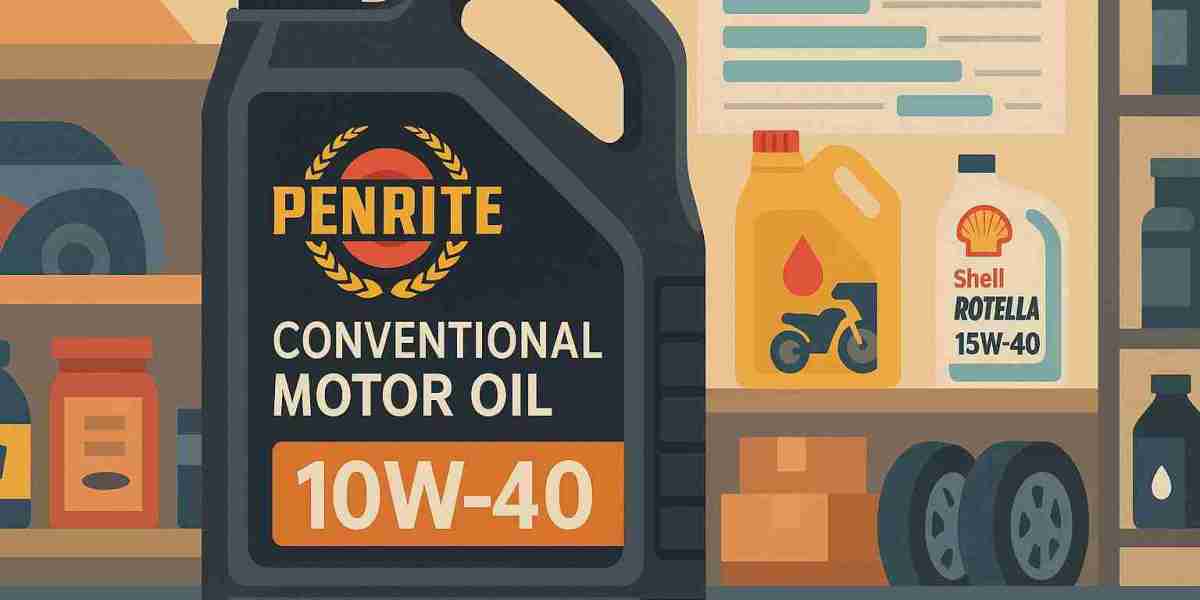

Motorcycles operate under very different conditions compared to cars, and as a result, they require specially formulated oils to ensure optimal performance and protection. Motorcycle engine oil is designed not only to lubricate the engine but also to support the gearbox and clutch—components that often share the same oil in many bikes.
One of the biggest differences between motorcycle and car engine oil is its ability to handle high-rev environments. Motorcycles typically run at higher RPMs, generating more heat and stress within the engine. As such, motorcycle oils need to maintain their viscosity and performance under more extreme conditions, providing both thermal stability and superior shear resistance.
A high-quality motorcycle engine oil will offer protection against wear, prevent clutch slippage, and resist breakdown over time. Many motorcyclists choose semi-synthetic or fully synthetic oils, as they offer enhanced performance and longer intervals between changes. These oils are also often infused with detergents and dispersants to keep engine components clean and running smoothly.
Another key factor is the JASO rating system, which ensures the oil meets the requirements for wet clutch performance and engine protection in motorcycles. Look for oils with JASO MA or MA2 ratings, especially for bikes with integrated engine and transmission systems. These oils prevent the clutch from slipping, a common issue when automotive oils are mistakenly used in motorcycles.
In conclusion, using the correct motorcycle engine oil is essential to the longevity and reliability of your bike. Given the demands placed on motorcycle engines, it pays to invest in a product specifically designed for two-wheelers. This ensures you get the best possible performance, protection, and peace of mind every time you ride.