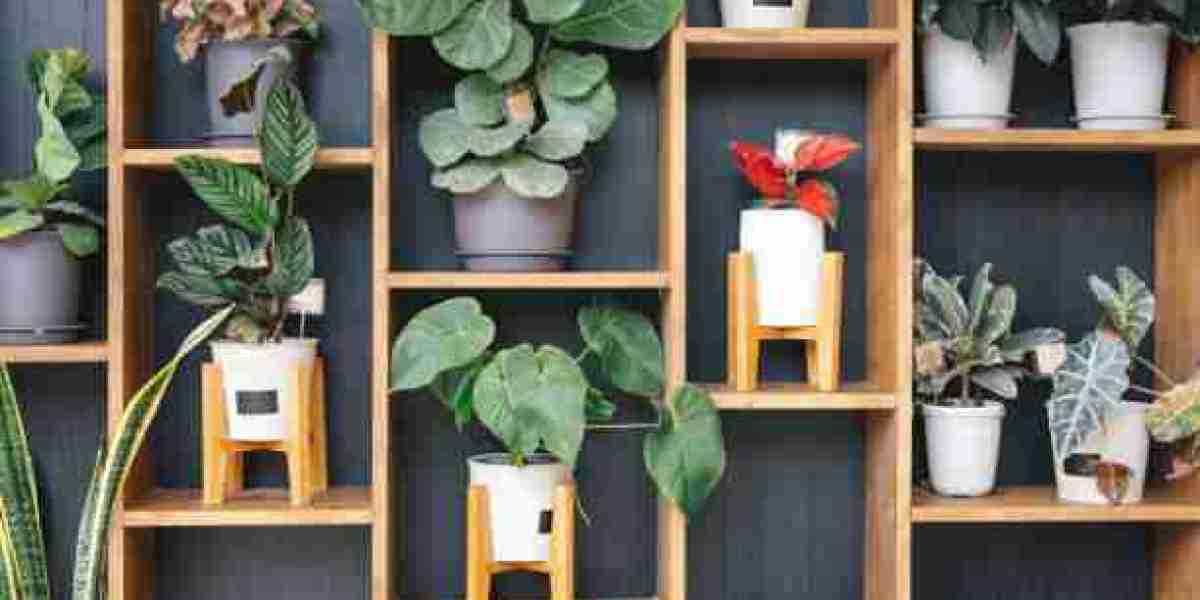

Artificial Plants Market growth is gaining attention as consumers increasingly prioritize convenient, attractive, and adaptable decoration solutions for their homes and workplaces. Modern lifestyles have influenced the way people approach interior styling, particularly in urban environments where limited space and busy schedules can make plant maintenance difficult. Artificial greenery offers an alternative for introducing decorative natural elements into different surroundings. Its ability to complement various interior themes, combined with minimal maintenance requirements, is supporting interest among homeowners, property managers, hospitality businesses, and commercial designers.
A noticeable shift toward convenient home decoration is creating opportunities for manufacturers to expand their product offerings. Interest in realistic artificial foliage and ornamental plant collections is increasing as consumers look for products that combine attractive appearances with practical everyday use. Artificial flowers, decorative shrubs, miniature plants, indoor trees, and hanging arrangements are available in different designs to accommodate diverse preferences. These products can be positioned in locations where natural plants may struggle because of limited daylight, temperature variations, or insufficient space for regular maintenance.
One important factor supporting product adoption is the expansion of residential decoration activities. Homeowners are increasingly interested in creating visually appealing environments that reflect their personal preferences. Artificial plants can be used to enhance empty corners, decorate dining tables, complement furniture arrangements, and introduce color into neutral interiors. Apartment residents may find them particularly useful because balconies, windows, and indoor spaces do not always provide suitable conditions for natural greenery. Their flexible placement options make them suitable for both compact homes and larger residential properties.
The hospitality industry represents another promising application area. Hotels, resorts, restaurants, cafés, and event venues frequently invest in decorative elements to create memorable customer experiences. Artificial greenery can help businesses maintain consistent visual presentation across reception areas, dining spaces, corridors, and event locations. Unlike living plants, these products do not require routine watering schedules or horticultural attention. Businesses can also use coordinated artificial floral arrangements and decorative installations to maintain a consistent theme across multiple branches or properties.
Another development influencing the industry is the growing importance of product customization. Consumers increasingly expect decorative products to match specific room layouts, color combinations, and personal styling preferences. Manufacturers and retailers are responding with different foliage varieties, pot designs, plant heights, and arrangement options. Customized artificial walls, vertical greenery installations, and decorative centerpieces are also attracting attention from commercial customers. This flexibility allows businesses to serve both individual buyers and professional interior decorators looking for specialized decorative solutions.
Digital commerce is changing how customers discover and purchase decorative greenery. Online marketplaces provide access to extensive product selections, allowing shoppers to evaluate different materials, styles, and dimensions from their homes. Social media content is also influencing consumer interest by presenting creative decoration ideas and demonstrating how artificial plants can transform ordinary spaces. Retailers that combine attractive product photography with detailed descriptions, customer feedback, and room-based inspiration can improve purchase confidence. Digital marketing is therefore becoming an important component of customer acquisition and brand development.
However, the market also faces challenges related to product differentiation and consumer expectations. Lower-quality artificial plants may appear unrealistic, while certain materials can lose their appearance after prolonged exposure to sunlight or unsuitable storage conditions. Price competition across online marketplaces may also pressure manufacturers to balance production costs with quality standards. Businesses that focus on realistic textures, stronger construction, reliable packaging, and transparent product specifications can create stronger value propositions. Responsible material selection and improved product longevity may also become important considerations for future purchasing decisions.
The future growth of the artificial plants industry will depend on its ability to respond to changing consumer preferences and emerging decoration requirements. Residential renovation, commercial property development, hospitality expansion, and the popularity of visually appealing interiors can provide additional opportunities. Product innovation may focus on more realistic foliage, versatile arrangements, and designs suitable for specialized environments. As decorative preferences continue evolving, artificial greenery is expected to remain a practical option for consumers and businesses seeking attractive surroundings with convenient maintenance requirements.
FAQs
Q1. What is driving Artificial Plants Market growth?
Growing home decoration activities, commercial interiors, and demand for low-maintenance greenery are important factors.
Q2. Are artificial plants suitable for commercial spaces?
Yes. Offices, hotels, restaurants, and retail environments commonly use them for decoration.
Q3. What materials are commonly used in artificial plants?
Polyester, silk, plastic, and other synthetic materials are commonly used.