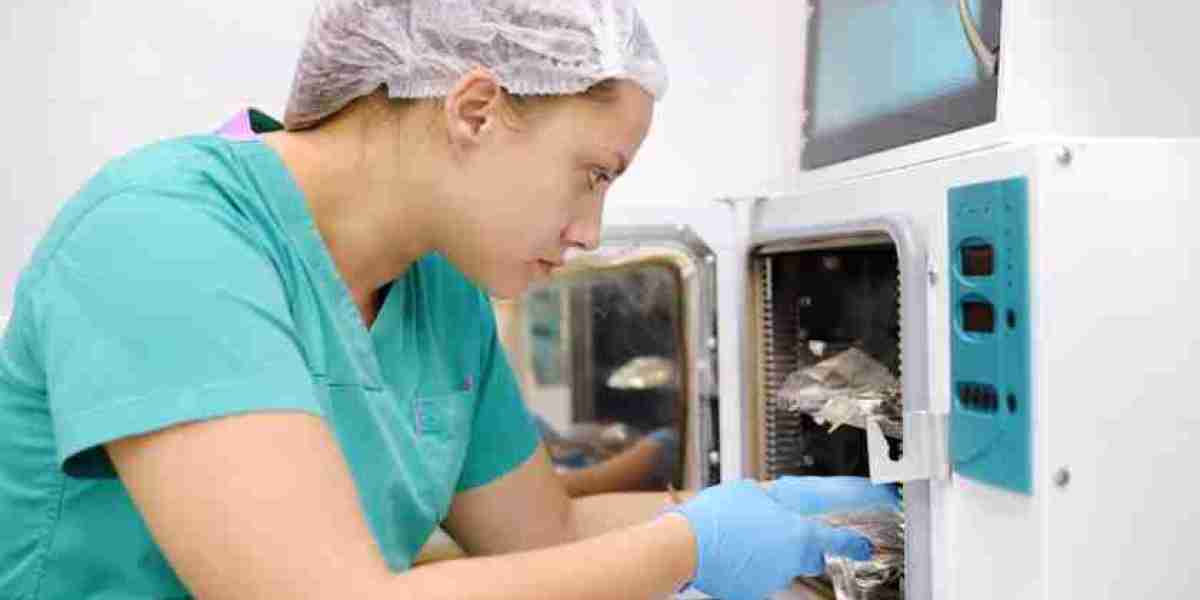

In the fast-paced and highly regulated environment of modern healthcare, the meticulous cleaning and decontamination of surgical instruments are paramount. Every piece of equipment utilized in an operating theatre undergoes rigorous reprocessing to eliminate biological burdens, pathogens, and debris before it touches another patient. At the heart of this decontamination department lies the automated cabinet washer-disinfector, a heavy-duty machine designed to sanitize surgical trays efficiently. However, like any precision instrument, a washer is only as reliable as its routine maintenance and quality control checks. Among the myriad parameters required for compliance, monitoring the mechanical action—specifically the daily check for spray arm rotational speed—stands out as a critical safeguard against cross-contamination and surgical site infections.
Understanding the Mechanics of Cabinet Washers and Impingement
To appreciate why spray arm rotational speed matters, one must examine how automated cabinet washers operate. Unlike manual washing, which relies entirely on human effort, automated systems depend on thermodynamic energy, chemical detergents, and mechanical impingement. Impingement refers to the physical force of water jets striking instrument surfaces to dislodge bio-burden. If a spray arm fails to rotate at its calibrated speed, the water coverage becomes uneven, leaving "shadow zones" where blood, tissue, and organic soils remain baked onto complex surgical tools. Maintaining optimal rotational velocity ensures a uniform distribution of water and detergent across every rack, basket, and hinge, validating that the wash phase successfully prepares the equipment for subsequent thermal disinfection.
The Step-by-Step Protocol for Daily Rotational Speed Verification
Verifying that spray arms are spinning correctly requires a standardized daily testing protocol before the department processes any clinical trays. Sterile processing technicians typically execute specific operational checks to ensure mechanical integrity:
Visual Inspection of Jets: Technicians first inspect the spray arm nozzles to ensure no mineral deposits, scale, or debris are blocking the tiny water exit ports.
Manual Spin Test: When the chamber is cool and empty, staff manually spin each upper and lower arm to check for smooth bearing movement without binding or friction.
Indicator Tape or Gel Tests: Utilizing specialized test soils, indicator strips, or visual verification mirrors during a diagnostic cycle confirms whether the water streams are hitting target surfaces with proper rotational momentum.
Error Code Monitoring: Reviewing the washer’s digital control panel for pressure fluctuations, cycle faults, or rotation sensor warnings prevents compromised loads from advancing to the disinfection stage.
The Role of Professional Education in Decontamination Compliance
Executing routine mechanical checks and interpreting washer diagnostics requires specialized knowledge that goes beyond basic on-the-job training. In a hospital central service department, compliance with international standards like ISO and AAMI is non-negotiable. Technicians must understand not just how to load a machine, but the underlying science of cleaning efficacy, water chemistry, and equipment troubleshooting. This is precisely why obtaining formal credentials through a comprehensive sterile processing technician course is indispensable for aspiring healthcare professionals. Such programs equip staff with the critical competencies required to manage sophisticated machinery, maintain stringent quality control records, and ultimately protect patient safety through flawless instrument reprocessing.
Conclusion and the Future of Sterile Processing Excellence
The daily verification of spray arm rotational speed in cabinet washers is a small yet indispensable link in the vast chain of infection control. By catching mechanical failures early, sterile processing departments prevent catastrophic wash failures that could jeopardize patient outcomes. As medical technology advances and surgical instruments become increasingly intricate, the demand for highly skilled, detail-oriented decontamination professionals will only continue to rise. Investing in rigorous training and adhering to strict daily quality assurance protocols ensures that every instrument leaving the decontamination area is truly safe, clean, and ready for clinical use.