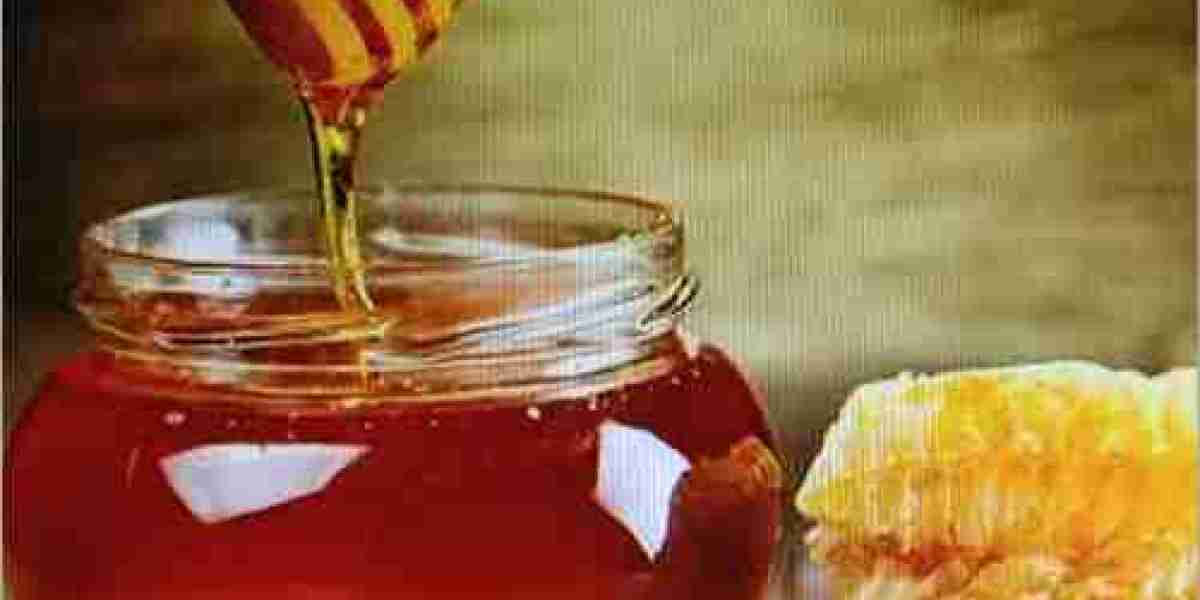

China Honey Market connects beekeepers, honey processors, packaging companies, distributors, retailers, and consumers through a supply chain that depends on product quality and reliable handling. Honey production begins with the availability of flowering plants and suitable conditions for bees, while the final product reaches consumers through several processing and distribution stages. Businesses must coordinate sourcing, collection, quality checks, packaging, and delivery to maintain consistency. As consumer expectations evolve, each participant has an important role in ensuring that honey products are presented accurately and reach buyers in suitable condition. Effective coordination can help support dependable supply and customer confidence.
A key operational consideration is honey sourcing and supply chain management, which connects production locations with processing facilities and final sales channels. Honey can vary according to floral sources, season, and local environmental conditions, making careful sourcing important for businesses that aim to maintain consistent product characteristics. Processors and distributors need clear information about supplier practices, batch handling, and product specifications. Reliable documentation can help businesses trace products through different stages and respond more effectively when quality questions arise. Strong relationships between suppliers and buyers also support planning around seasonal production and changing market demand.
Beekeeping is the foundation of honey supply, and production depends on conditions that support healthy bee colonies and flowering plants. Weather patterns, access to forage, agricultural practices, and local environmental changes can influence nectar availability and harvesting conditions. Beekeepers need to monitor colony health and manage hives responsibly while planning collection activities around seasonal conditions. Cooperation with agricultural communities can also help support suitable forage resources. Since production can vary from one location or season to another, buyers may need to work with multiple suppliers and plan sourcing carefully. Understanding these production factors helps businesses make realistic decisions about availability and purchasing schedules.
After collection, processing and handling practices influence the consistency of the honey product. Depending on the intended product and applicable requirements, processing may involve filtering, settling, testing, and preparation for packaging. Businesses need to protect honey from contamination and follow appropriate hygiene procedures throughout these operations. Quality checks can help identify issues relating to moisture content, composition, and other relevant product characteristics. Clear records and documented procedures can support consistency across batches. These steps are important not only for meeting buyer expectations but also for maintaining compliance with food safety and labeling requirements.
Packaging is another significant part of the supply chain because it protects the product and provides information to consumers. Glass jars, plastic containers, and squeeze bottles may serve different retail needs, depending on packaging requirements and customer preferences. Labels can communicate the product name, net quantity, producer details, origin information where required, and storage guidance. Packaging facilities must ensure that containers are clean, properly sealed, and suitable for the product. Attractive presentation can help a brand stand out, but accurate labeling and product protection remain essential. Businesses that combine practical packaging with clear information can support a more dependable customer experience.
Distribution channels determine how honey reaches households and commercial buyers. Wholesalers may supply supermarkets and smaller retailers, while e-commerce businesses can connect brands directly with consumers. Food manufacturers and foodservice operators may purchase honey for use in recipes, baked products, beverages, and sauces. Each customer group can have different requirements for quantity, packaging, consistency, and delivery frequency. Suppliers that understand these needs can plan inventory and coordinate orders more efficiently. Reliable transport, stock management, and communication are important throughout distribution, particularly when businesses serve customers across different regions with varying purchasing patterns.
Traceability and documentation are becoming increasingly important considerations for food businesses and consumers. Information about suppliers, production batches, processing, and distribution can help companies investigate concerns and maintain quality oversight. Clear records may also support the verification of product origin and other claims when appropriate documentation is available. Businesses should avoid making statements about purity, sourcing, or production methods that they cannot substantiate. Transparent communication can distinguish a responsible brand from one that relies on vague promotional language. By investing in practical quality systems and accurate records, companies can strengthen their relationships with retailers and consumers.
The future of the China Honey Market will depend partly on how efficiently businesses manage sourcing, processing, packaging, and distribution. Better coordination can help reduce disruptions and improve product consistency, while reliable documentation can support quality assurance. Producers and processors may benefit from stronger communication with retailers and commercial buyers about supply expectations and product requirements. Consumer-facing businesses can further support confidence by providing clear information about product characteristics and origin. As the market develops, companies that combine operational reliability with responsible product communication may be better equipped to serve different customer groups and maintain long-term commercial relationships.
FAQ
Why is traceability important for honey?
It helps businesses track products and support quality oversight.
What affects honey production?
Floral availability, weather, bee health, and local environmental conditions can influence supply.
Who buys honey in the supply chain?
Retailers, households, food manufacturers, wholesalers, and foodservice businesses are key buyers.