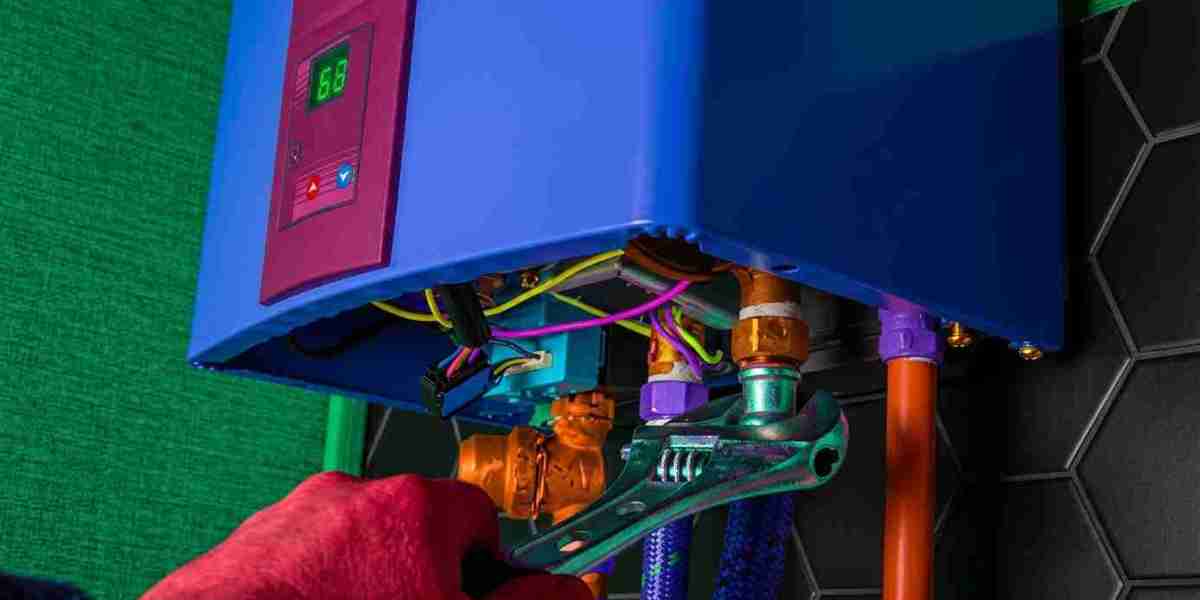

Start With Your Household's Heating Needs
Choosing a new boiler is easier when you begin with how your household actually uses heating and hot water. A property with one bathroom and a small household may have different requirements from a larger family home where several people shower, wash and use hot water throughout the morning.
A professional Boiler Installation in Barnet should take these everyday requirements into account before an appliance is selected. The aim is to install a system that suits the property, provides the required heating and hot water, and can be maintained appropriately in the years ahead.
Homeowners in High Barnet, Finchley, Mill Hill, Edgware, New Barnet and Whetstone live in properties with different layouts and existing heating arrangements. Consequently, there is no single boiler that will automatically suit every home across the borough.
Before choosing a model, consider the size of your property, the number of bathrooms, available installation space and the performance of your current system. A qualified installer can use this information to recommend an appropriate solution.
When Does Replacing Your Boiler Make Sense?
A boiler that develops a fault does not always need replacing. In some cases, repairing a defective component may be a reasonable option. Replacement becomes worth considering when breakdowns occur frequently, repair costs continue to rise or the appliance no longer meets the household's heating requirements.
Another consideration is whether the boiler is suitable for the way your home is used today. A system installed years ago may not be the best fit after a kitchen renovation, extension or change in household size.
Before making a decision, ask an experienced heating professional to assess the appliance and explain the alternatives. Comparing the likely cost of further repairs with a replacement quotation gives you a clearer basis for deciding.
You should also consider the complete installation cost rather than focusing exclusively on the price printed on a boiler advertisement.
Which Heating System Fits Your Property?
The right choice depends on available space, hot-water demand, water supply conditions and the existing heating arrangement.
Combi boilers for space-conscious households
A combination boiler heats water on demand and supplies central heating without requiring a separate hot-water storage cylinder. This arrangement can be suitable for homes where saving space is important and hot-water demand can be met by the selected appliance.
However, households that regularly use multiple hot-water outlets simultaneously should discuss whether a combi boiler will meet their expectations. The incoming water supply and the appliance's output also need to be assessed.
System boilers for homes using a hot-water cylinder
A system boiler works with a separate cylinder that stores hot water. It may suit households with greater simultaneous hot-water demand, provided there is sufficient space and the system is designed appropriately.
Conventional boilers and existing installations
Some properties already use a conventional arrangement involving a boiler, a cylinder and separate cold-water storage. Retaining this type of system may be appropriate, particularly where changing the arrangement would involve substantial alterations.
The installer should explain the advantages and limitations of each realistic option instead of recommending a particular model without assessing your home.
What a Proper Installation Survey Should Establish?
Before agreeing to the work, make sure the proposed installation has been assessed rather than priced on assumptions alone.
Boiler position: The chosen location must meet applicable installation requirements and provide suitable access for maintenance. Moving the appliance can affect the amount of labour and additional materials required.
Flue arrangements: The route and terminal position must comply with relevant safety and manufacturer requirements. A change in boiler location may require additional planning.
Existing pipework: The installer should assess whether the current pipework is suitable for the replacement appliance or whether changes are necessary.
Heating system condition: Radiators, controls and other relevant components may need attention as part of the wider installation. Any recommended remedial work should be explained before the quotation is accepted.
Household requirements: The proposed output should reflect the home's heating demand and hot-water usage rather than being chosen simply because the new boiler has a higher rating.
Getting these details confirmed in advance helps you understand what is included and reduces confusion if additional work is required.
Planning the Installation Around Your Home
Once the specification has been agreed, discuss the expected schedule with the installer. A straightforward replacement can be completed more quickly than a project involving relocation, altered pipework or a change in heating-system design.
Before the appointment, clear the area around the existing appliance where practical and arrange access to the relevant rooms. If the boiler is situated in a loft, cupboard or restricted space, mention this beforehand.
Residents in Barnet, including households around East Barnet, Totteridge, Golders Green and Friern Barnet, should also discuss any property-specific access requirements. Flats, managed developments and properties undergoing renovation may require coordination with a landlord, building manager or other contractor.
If you are having other building work completed, agree the sequence of tasks so the boiler installation does not conflict with plumbing, electrical or kitchen-fitting work.
What Happens When the New Boiler Is Fitted?
The installer will carry out the agreed work, which may involve removing the old appliance, preparing the existing connections and fitting the replacement. Any additional work should follow the agreed specification or be discussed with you before it proceeds.
After installation, the boiler needs to be tested and commissioned according to the manufacturer's instructions. Ask the installer to explain the controls, show you the normal operating settings and clarify any functions that differ from your previous appliance.
Before the work is considered complete, confirm that you know how to operate the system and where to find the relevant documentation. Ask the installer to explain any limitations or outstanding recommendations.
Keep the commissioning information, warranty documents and applicable compliance records together. The installer should also explain the arrangements for any required Building Regulations notification or certification.
Comparing Quotes Without Overlooking Important Details
Two quotations can look quite different even when they mention the same boiler model. One may include more installation work, while another may exclude materials or changes to the existing heating system.
When comparing prices, establish whether the quotation covers the appliance, labour, removal of the old boiler, necessary pipework alterations, controls, commissioning and relevant documentation. Ask whether additional work could be required and how those costs would be agreed.
Check the warranty conditions and whether registration is included. Also confirm what happens if a problem develops after installation and whom you should contact.
For gas boiler installations, use a Gas Safe registered engineer whose qualifications cover the specific work required. You can verify registration and relevant qualifications through the official Gas Safe Register.
A clear written quotation helps you judge the overall value of the installation rather than selecting a provider on price alone.
Frequently Asked Questions
How long does a new boiler installation take?
A straightforward replacement may take about a day, while relocation or major system changes can take longer.
Can I replace my conventional boiler with a combi?
Possibly. The property's water supply, pipework, hot-water demand and available space must be assessed first.
Do I need a Gas Safe registered installer?
Yes. Gas boiler installation must be carried out by a suitably qualified Gas Safe registered engineer.
Does a new boiler installation include radiators?
Not automatically. Radiator replacement or upgrades should be specified in the quotation.
What documents should I keep after installation?
Keep the commissioning record, warranty details and applicable Building Regulations or compliance documentation.