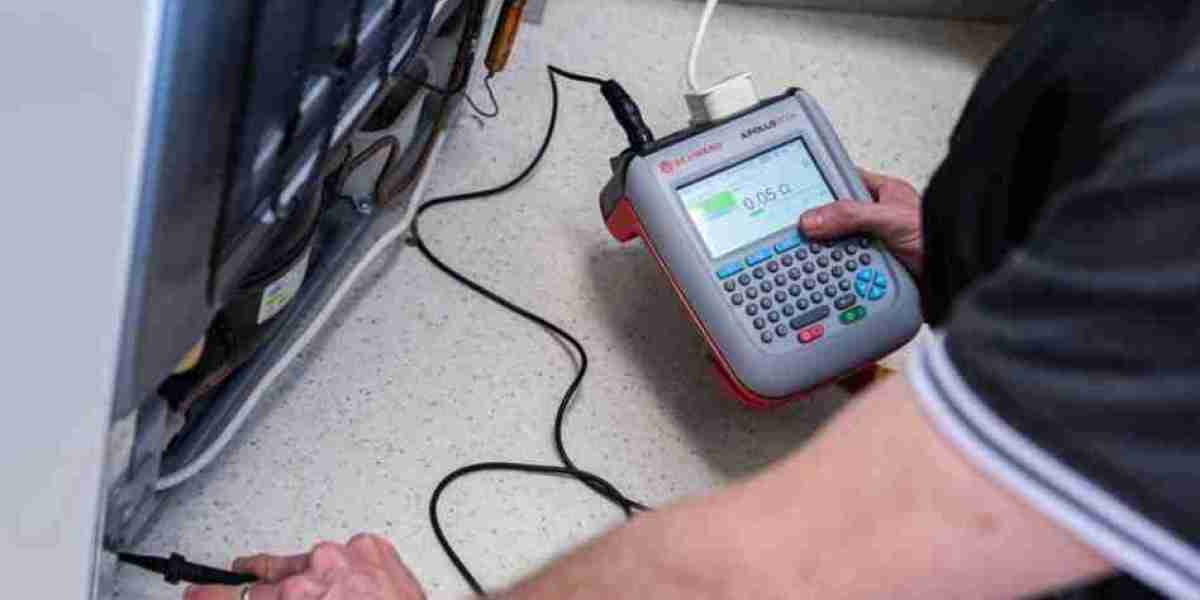

Portable Appliance Testing (PAT) is a non-negotiable pillar of safety in almost every professional environment. Whether you are a business owner, a facilities manager, or a sole trader looking to expand your service offering, understanding the intricacies of electrical safety testing is essential for compliance with the Health and Safety at Work Act. However, when you begin the search for the right educational pathway, you are immediately faced with a crossroads: should you pursue a traditional in-person classroom setting or opt for a modern, online-only learning experience? Both paths have distinct advantages, and the "correct" choice depends largely on your personal learning style, your current technical background, and your specific requirements for certification. Understanding the distinction between these modalities is the first step in ensuring that you receive the training necessary to protect your equipment, your property, and, most importantly, the people within your workspace.
The Case for In-Person Training: Tactile Mastery
For many professionals, the primary appeal of a classroom-based pat testing course lies in the hands-on, tactile experience that digital platforms simply cannot replicate. Electrical safety testing is not merely about reading a theoretical manual; it is about the physical manipulation of complex equipment, the correct identification of faulty leads, and the instinctive recognition of safety hazards. In an in-person environment, you are guided by a seasoned instructor who can physically demonstrate how to handle a PAT machine, how to troubleshoot a device that fails the insulation resistance test, and how to conduct a thorough visual inspection. This immediate feedback loop is invaluable for beginners who may feel intimidated by electrical systems. Being able to ask a question, receive a real-time answer, and watch a demonstration of proper procedure builds a level of muscle memory and confidence that remote video tutorials often fail to instill.
The Flexibility of Online Learning: Convenience Meets Compliance
Conversely, online training has evolved significantly, offering a level of convenience that is difficult to ignore for busy facilities teams and managers. If you already have a foundational understanding of electrical systems or if your schedule simply does not permit a multi-day commitment to a classroom, digital platforms offer a sophisticated alternative. These programs are often designed with modularity in mind, allowing you to learn at your own pace and revisit complex topics as many times as necessary. For many, this flexibility is the deciding factor, particularly when balancing the demands of a high-pressure job or a remote location far from major training centers. While online courses lack the tactile component, high-quality digital training providers now incorporate interactive simulations and rigorous assessments to ensure that the theoretical knowledge is sound. This mode of learning is excellent for those who are self-disciplined, tech-savvy, and require an efficient, cost-effective method to achieve their certification without sacrificing quality.
How to Locate and Vet Your Training Provider
When you begin your search for training, the methodology you use to locate a provider can significantly influence the quality of the education you receive. If you are specifically hunting for a local in-person provider, utilize search engine maps and local business directories, ensuring you filter by "training centers" or "accredited electrical colleges." Look for providers who clearly display their accreditation status on their website, as this is a key indicator of legitimacy. If you are leaning toward online options, the search widens, but the requirement for due diligence increases. Regardless of whether the course is digital or physical, always check for third-party testimonials, alumni reviews, and—most crucially—the curriculum content. A reputable provider will outline exactly what the course covers, including the specific testing standards and the type of certification you will walk away with. Avoid providers that seem to offer "instant" certification without a robust testing element, as these often fail to meet the rigorous safety requirements demanded by insurance companies and local regulatory bodies.
Key Considerations Before Enrolling in a Course
Before you finalize your enrollment, take a moment to assess the specific equipment and environment you plan to manage. If you are responsible for an industrial site with highly specialized high-voltage machinery or three-phase equipment, a basic online awareness course will be woefully insufficient. In such high-risk environments, an in-person, specialized, or advanced technical course is not just recommended; it is essential. Conversely, if your goal is simply to perform routine testing on standard office equipment like laptops, printers, and kitchen appliances, a well-structured online program might provide all the knowledge you need to perform the job safely and effectively. Consider the post-course support offered by the provider as well. Will you have access to a tutor for follow-up questions after the course concludes? Does the course provide you with templates for reporting and documentation? These administrative tools are just as vital as the technical knowledge itself, as documentation is the cornerstone of a defensible safety program.
Making the Final Decision
Ultimately, the choice comes down to your personal learning style and the depth of expertise required for your role. If you are a tactile learner who thrives on direct interaction and physical demonstrations, investing in an in-person program will provide you with the most comprehensive educational experience and the greatest peace of mind. If, however, you require a rapid, flexible, and efficient path to certification that respects your time constraints, a highly-rated online training platform is a modern and effective solution. Whichever path you choose, the most important outcome is that you walk away with the confidence to identify hazards, the competence to use your testing equipment accurately, and the professional responsibility to keep your workplace safe.