
The Strategic Importance of Capacity and Storage in Europe’s Energy Transition
Europe’s energy ecosystem is undergoing a structural transformation driven by decarbonization targets, electrification trends, and renewable energy integration. As intermittent energy sources such as wind and solar dominate generation capacity, maintaining grid reliability has become a complex challenge. This is where adequacy and flexibility solutions, particularly capacity mechanisms and battery energy storage systems, play a crucial role in balancing supply and demand.
The concept of adequacy ensures that electricity supply consistently meets demand, even during peak usage or unforeseen outages. Flexibility, on the other hand, enables the system to respond dynamically to fluctuations in generation and consumption. Together, these elements form the backbone of a resilient energy infrastructure. European countries are increasingly adopting hybrid models combining capacity payments and storage deployment to address variability concerns.
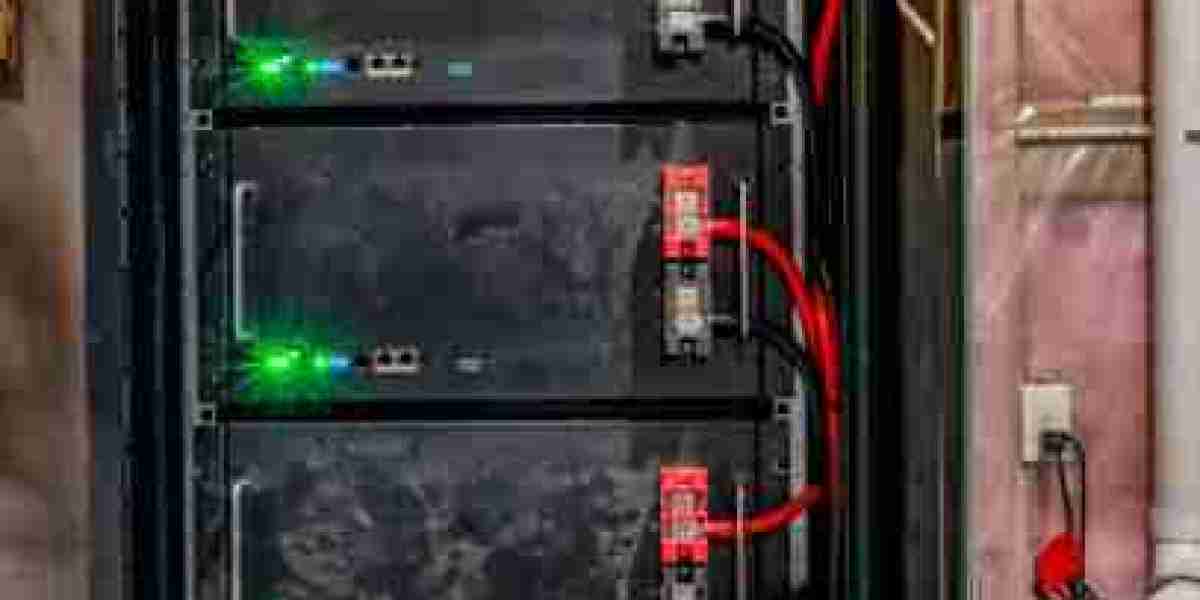
Battery Energy Storage Systems (BESS) are emerging as a transformative solution within this ecosystem. These systems can store excess renewable energy during periods of high generation and release it during demand spikes. This capability not only stabilizes the grid but also reduces reliance on fossil fuel-based backup power. As a result, investments in BESS are gaining momentum across key European markets such as Germany, the UK, and France.
Policy frameworks across Europe are also evolving to support these developments. Governments are introducing capacity auctions, flexibility markets, and incentive schemes to encourage participation from both traditional and new energy players. These policies aim to ensure long-term grid stability while accelerating the transition toward clean energy.
Market participants, including utilities, independent power producers, and technology providers, are actively exploring opportunities in this space. The integration of digital technologies, such as artificial intelligence and predictive analytics, further enhances the efficiency of flexibility solutions. These innovations enable real-time decision-making, optimizing energy flows and minimizing system disruptions.
In addition to technological advancements, cross-border energy trading is playing an increasingly important role in enhancing adequacy. Interconnected grids allow countries to share surplus energy, reducing the need for localized backup capacity. This collaborative approach strengthens regional energy security while optimizing resource utilization.
As highlighted in the Europe Adequacy & Flexibility (Capacity + BESS) Market Growth, the sector is expected to witness significant expansion driven by regulatory support and increasing renewable penetration. The growing emphasis on sustainability and energy independence further reinforces the importance of these solutions.
Looking ahead, the convergence of capacity mechanisms and energy storage technologies will redefine Europe’s power landscape. Stakeholders must navigate regulatory complexities, technological challenges, and evolving market dynamics to capitalize on emerging opportunities. By prioritizing flexibility and adequacy, Europe is well-positioned to achieve a reliable, sustainable, and future-ready energy system.