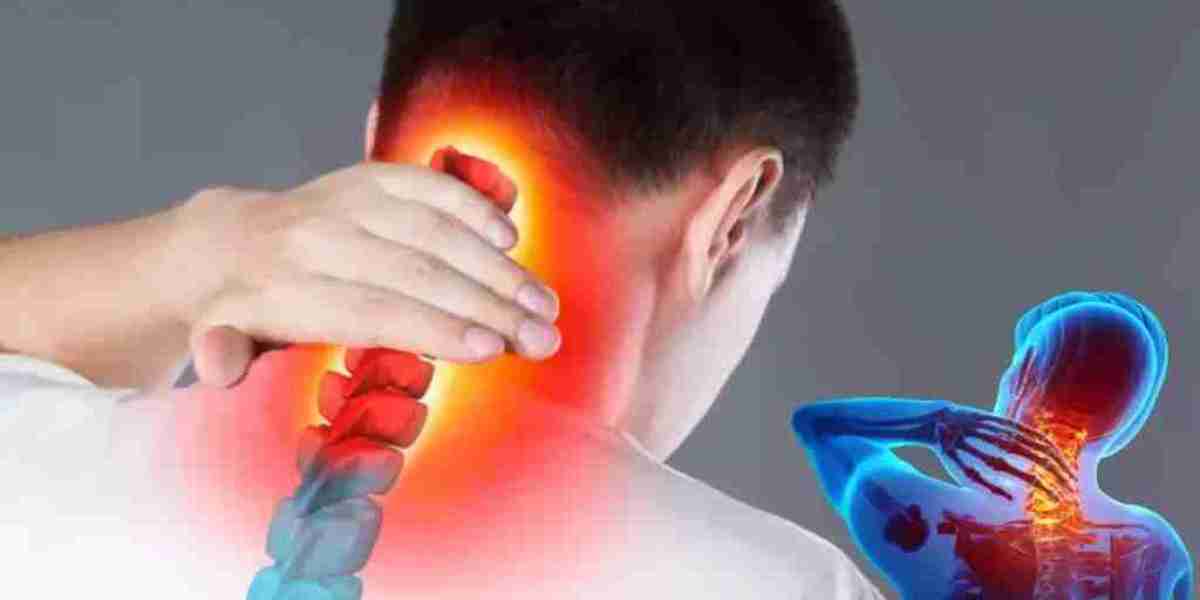

Neck pain is a common complaint in today’s fast-paced, screen-driven lifestyle. Long hours spent at a computer, poor posture, and stress can lead to persistent discomfort in the cervical spine. In many cases, this neck pain is not limited to the neck—it can also trigger headaches. These are known as cervicogenic headaches, a condition that originates from problems in the cervical spine.
At the Neurology and Pain Management Clinic (NPMC), Dr. Gautam Arora, a specialist in neurology and pain management, helps patients identify and treat cervical pain and cervicogenic headaches with advanced, non-surgical solutions.
What Is Cervical Pain?
Cervical pain refers to discomfort or stiffness in the neck region, which includes the first seven vertebrae of the spine. This area supports the head and allows a wide range of motion, making it vulnerable to strain and injury.
Cervical pain can range from mild stiffness to severe, radiating pain that affects the shoulders, arms, and even hands.
What Are Cervicogenic Headaches?
Cervicogenic headaches are headaches caused by disorders of the cervical spine and its surrounding structures, including muscles, discs, and nerves. Unlike migraines or tension headaches, cervicogenic headaches originate in the neck but are felt in the head.
The pain typically starts at the base of the skull and may radiate to the forehead, temples, or behind the eyes.
Common Causes
Several factors can lead to cervical pain and cervicogenic headaches.
Poor Posture: Spending long hours hunched over computers or mobile devices puts excessive strain on the neck muscles and spine.
Cervical Spondylosis: Age-related wear and tear of the cervical spine can lead to stiffness, pain, and nerve compression.
Herniated Disc: A slipped or bulging disc in the cervical spine can press on nearby nerves, causing pain and headaches.
Muscle Strain: Overuse or sudden movements can strain neck muscles, leading to pain and stiffness.
Injury or Trauma: Whiplash injuries from accidents can damage cervical structures and trigger chronic pain.
Symptoms to Watch For
Cervical pain and cervicogenic headaches may present with a combination of symptoms, including:
- Persistent neck pain or stiffness
- Headache starting from the back of the head
- Pain radiating to shoulders or arms
- Reduced range of motion in the neck
- Pain that worsens with neck movement
- Dizziness or imbalance in some cases
These symptoms can vary in intensity and may worsen over time if left untreated.
How Is It Diagnosed?
Accurate diagnosis is essential for effective treatment. At the Neurology and Pain Management Clinic, Dr. Gautam Arora conducts a thorough evaluation, which may include:
- Detailed medical history
- Physical and neurological examination
- Assessment of posture and neck mobility
- Imaging tests such as MRI or X-rays if required
This comprehensive approach helps identify the exact cause of pain and ensures targeted treatment.
Effective Treatment Options
Treatment focuses on relieving pain, improving mobility, and addressing the root cause.
Medication
Medications may be prescribed to reduce inflammation, relieve pain, and relax muscles.
Physiotherapy
Targeted exercises strengthen neck muscles, improve posture, and increase flexibility.
Lifestyle Modifications
Simple changes such as ergonomic work setups, proper posture, and regular breaks can significantly reduce neck strain.
Interventional Pain Management
For persistent or severe cases, advanced treatments such as nerve blocks, trigger point injections, or radiofrequency procedures may be recommended.
These minimally invasive techniques target the source of pain and provide longer-lasting relief.
Tips to Prevent Cervical Pain
Preventing cervical pain is possible with a few daily habits:
- Maintain proper posture while sitting and standing
- Keep screens at eye level to avoid bending the neck
- Take regular breaks during long working hours
- Use a supportive pillow while sleeping
- Perform neck stretching and strengthening exercises
- Avoid sudden jerky movements
These preventive measures can help protect the cervical spine and reduce the risk of headaches.
Expert Care at NPMC
At the Neurology and Pain Management Clinic (NPMC), patients receive personalized care tailored to their condition. Under the guidance of Dr. Gautam Arora, the clinic offers:
- Expert neurological evaluation
- Advanced diagnostic facilities
- Non-surgical, minimally invasive treatments
- Customized pain management plans
The goal is to not only relieve pain but also improve overall spinal health and prevent recurrence.
Conclusion
Cervical pain and cervicogenic headaches can significantly impact daily life, but they are treatable conditions. Early diagnosis, proper treatment, and lifestyle changes can provide lasting relief and improve quality of life. At the Neurology and Pain Management Clinic (NPMC), Dr. Gautam Arora is committed to helping patients overcome neck pain and headaches with advanced, effective, and patient-focused care.