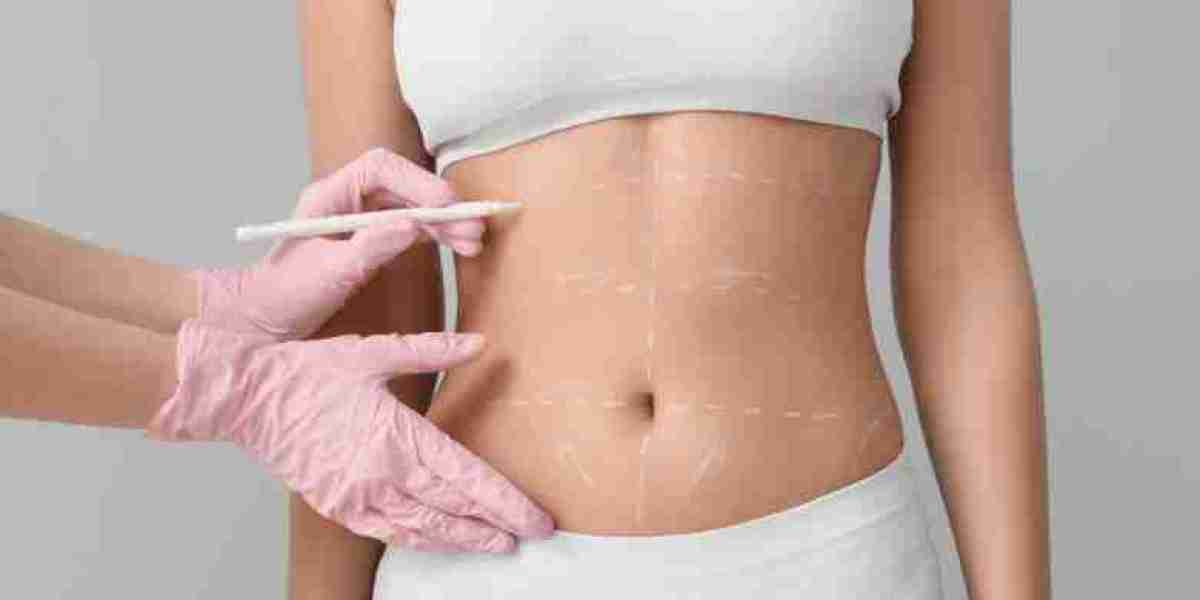

Recovering properly after Liposuction Surgery is just as important as the procedure itself. While liposuction can deliver impressive body contouring results, the healing phase plays a major role in determining how quickly and effectively those results appear. Understanding what to expect and how to care for your body during recovery can help minimize discomfort, reduce complications, and speed up the healing process.
What to Expect After Liposuction:
After liposuction, it is normal to experience swelling, bruising, and mild discomfort in the treated areas. These symptoms are part of the body’s natural healing response and usually improve over time. Patients may notice fluid drainage from incision sites during the first few days, and temporary numbness can also occur. While some people return to light activities within a few days, full recovery may take several weeks or even months depending on the extent of the procedure.
Importance of Following Post-Operative Instructions:
Following your surgeon’s post-operative instructions is essential for a smooth recovery and optimal results. These guidelines are specifically tailored to your procedure and medical condition, helping reduce risks and promote faster healing. Key instructions often include:
- Taking prescribed medications on time
- Keeping incision areas clean and dry
- Wearing recommended compression garments
- Avoiding strenuous physical activities
- Attending scheduled follow-up appointments
Ignoring these instructions can lead to complications and delay the healing process.
Wearing Compression Garments:
Compression garments are a critical part of liposuction recovery as they help control swelling and support the treated areas. These garments apply gentle pressure that improves blood circulation and reduces fluid buildup under the skin. Patients are typically advised to wear them for several weeks after surgery to enhance contouring results. Consistent use can also help the skin adjust smoothly to its new shape.
Managing Pain and Discomfort:
Mild to moderate pain is common after liposuction, but it can be effectively managed with proper care and medication. Doctors usually prescribe pain relievers to keep discomfort under control during the initial days of recovery. In addition to medication, patients can benefit from:
- Getting adequate rest
- Using cold compresses as recommended
- Avoiding unnecessary movement
- Maintaining a comfortable resting position
Pain typically decreases significantly within the first week as the body begins to heal.
Staying Hydrated and Eating Well:
Proper nutrition and hydration play a vital role in speeding up recovery after liposuction. The body needs essential nutrients to repair tissues and reduce inflammation. A healthy diet during recovery should include:
- Protein-rich foods to support tissue healing
- Fresh fruits and vegetables for vitamins and antioxidants
- Plenty of water to stay hydrated
- Reduced salt intake to minimize swelling
- Avoidance of processed and sugary foods
Making smart dietary choices can significantly improve healing time and overall well-being.
Avoiding Strenuous Activities:
While light movement is encouraged to promote circulation, strenuous activities should be avoided during the early stages of recovery. Overexertion can increase swelling, cause discomfort, and even lead to complications. Patients are generally advised to:
- Avoid heavy lifting and intense workouts
- Gradually reintroduce physical activity
- Follow the surgeon’s timeline for exercise
- Listen to their body and rest when needed
Returning to normal activity too quickly can negatively impact healing and final results.
Monitoring for Signs of Complications:
Being aware of potential warning signs is important for ensuring a safe recovery. While minor side effects are expected, certain symptoms may indicate complications and require immediate medical attention. These include:
- Excessive swelling or severe pain
- Signs of infection such as redness or fever
- Unusual discharge from incision sites
- Persistent numbness or changes in skin color
- Difficulty breathing or chest pain
Early detection and prompt treatment can prevent serious issues and protect your health.
Importance of Follow-Up Appointments:
Regular follow-up visits with your surgeon are crucial for monitoring progress and ensuring proper healing. During these appointments, the surgeon will assess your recovery, address any concerns, and provide additional guidance if needed. These check-ups help ensure that the results are developing as expected and allow for early intervention if any issues arise.
Long-Term Recovery and Results:
Although initial recovery may take a few weeks, achieving final results from liposuction requires patience. Swelling can take months to fully subside, and the body continues to adjust during this time. Maintaining results after Liposuction Surgery depends on adopting a healthy lifestyle, including balanced nutrition and regular exercise. Without proper care, weight gain can affect the outcome over time.
Final Thoughts:
Recovering from liposuction is a gradual process that requires patience, care, and commitment. By following post-operative instructions, maintaining a healthy lifestyle, and giving your body the time it needs to heal, you can achieve the best possible results. A smooth recovery not only enhances your appearance but also ensures long-lasting satisfaction with your decision.