
ntroduction
Tile floors are popular for kitchens, bathrooms, and living areas because they are durable, stylish, and easy to maintain. However, the grout lines between tiles often accumulate dirt, stains, and bacteria over time. Even if the tiles themselves look clean, dirty grout can make the entire floor appear dull and unhygienic. A good grout cleaner is essential for deep tile cleaning and restoring the original look of your floors.
Grout is porous, which makes it easy for dirt, grease, mold, and mildew to settle inside. Daily foot traffic, spills, and moisture can all contribute to discoloration and buildup. While vacuuming and regular mopping remove surface dirt, they cannot penetrate deep into the grout lines. This is why deep cleaning with a proper grout cleaner is necessary for long-term maintenance.
Using a grout cleaner correctly not only removes stains but also improves hygiene, prevents mold growth, and prolongs the life of your tiles.
Why Deep Tile Cleaning Is Important
Tile floors are easy to clean, but grout often hides dirt and bacteria. Neglecting grout cleaning can lead to several problems:
Accumulation of Dirt and Stains
Grout lines are narrower and more porous than tiles. Dirt, food particles, and spills get trapped easily. Over time, this creates dark stains that regular mopping cannot remove.
For example, a kitchen floor with white grout will show discoloration after repeated exposure to grease and spills, making the floor look aged and dirty.
Mold and Mildew Growth
Bathrooms and laundry areas are prone to moisture. Damp grout provides a breeding ground for mold and mildew, which not only looks unsightly but can also impact indoor air quality and health.
Protection of Tile and Grout
Deep cleaning protects the integrity of both grout and tile. Dirt particles act like abrasives that slowly wear down grout. Removing debris regularly preserves the surface, keeping your floor durable and attractive.
Choosing the Right Grout Cleaner
The effectiveness of deep tile cleaning depends on selecting the right grout cleaner. Several factors should be considered:
Cleaning Power
Choose a grout cleaner that can break down grease, soap scum, and tough stains. Strong cleaning agents penetrate porous grout to remove embedded dirt.
For instance, oxygen-based cleaners are effective for general cleaning, while heavy-duty chemical cleaners work well for old or stubborn stains.
Safety for Tile
Ensure the grout cleaner is safe for your type of tile. Some cleaners may damage natural stone or delicate tiles, while most commercial grout cleaners are suitable for ceramic or porcelain tiles.
Ease of Use
Spray bottles, foam formulas, and gels make application easier and allow the cleaner to stick to grout lines. Easy-to-use products save time and effort during deep cleaning.
Tools Needed for Deep Grout Cleaning
Grout Brush
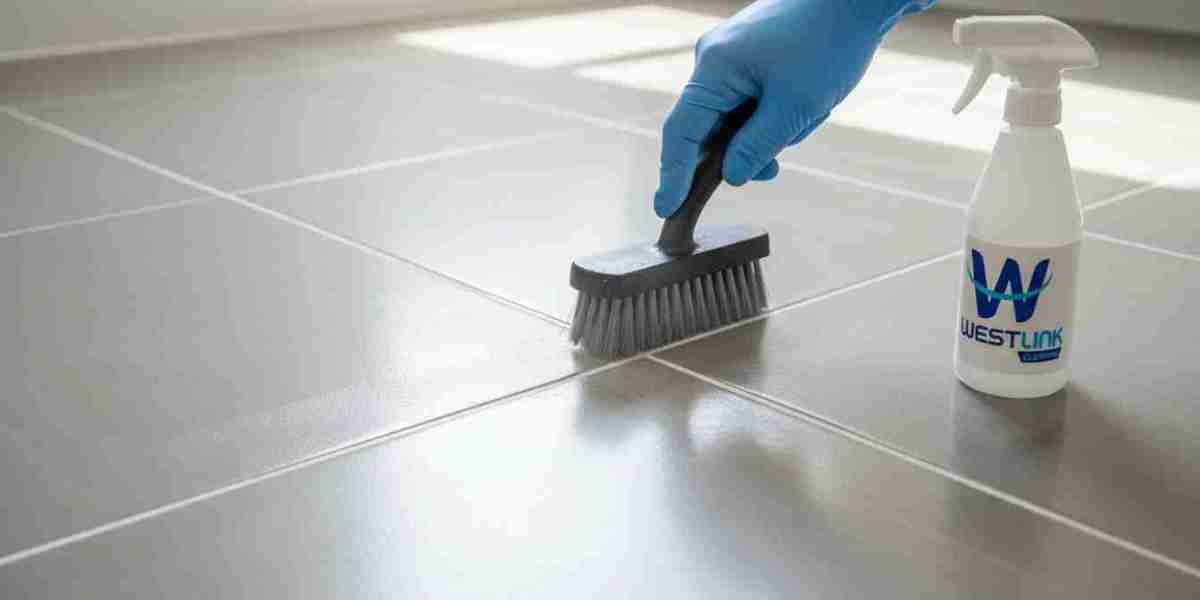
A grout brush is one of the most useful tools for deep grout cleaning. It has stiff bristles that are designed to reach deep into the narrow grout lines between tiles.
This brush helps remove dirt, grease, and stains that collect over time. Because it is specially made for grout, it cleans effectively without damaging the tiles.
Toothbrush
A toothbrush is a simple tool that works well for cleaning small or hard-to-reach areas. It is especially useful when you are cleaning corners, edges, or delicate tile surfaces.
The soft bristles allow you to scrub gently while still removing dirt from the grout lines. It is a good option when you want more control during detailed cleaning.
Electric Scrubber
An electric scrubber makes grout cleaning faster and easier. It uses a rotating brush that helps scrub dirt and stains with less physical effort.
This tool is very helpful for cleaning large tiled areas such as kitchens, bathrooms, or hallways. It saves time and reduces the amount of manual scrubbing needed.
Steam Cleaner
A steam cleaner is another effective tool for deep grout cleaning. It uses hot steam to loosen dirt and grime that is trapped in the grout lines.
The high temperature of the steam also helps kill bacteria and germs. Since it uses only water, it is a great chemical-free option for cleaning tiles and grout safely.
Step-by-Step Guide to Using a Grout Cleaner
Follow these steps to achieve sparkling grout lines:
Step 1: Prepare the Area
Before applying the cleaner, sweep or vacuum the floor to remove loose dirt and debris. This prevents surface particles from turning into mud during the cleaning process.
Step 2: Apply the Grout Cleaner
Follow the instructions on the product label. Typically, you spray or apply the cleaner directly onto the grout lines. Allow it to sit for the recommended time, usually 5–15 minutes, to penetrate and loosen dirt.
Step 3: Scrub the Grout
Use a grout brush or toothbrush to scrub the lines. Apply gentle pressure and work in circular motions to remove embedded dirt. For large areas, an electric scrubber can speed up this process.
Step 4: Rinse Thoroughly
After scrubbing, rinse the grout and tiles with warm water. Remove all cleaner residues to prevent discoloration or sticky residue.
Step 5: Dry the Floor
Use a clean towel or microfiber cloth to dry the grout and tiles. Proper drying prevents mold growth and keeps grout lines looking fresh.
Tips for Effective Deep Grout Cleaning
Work in Small Sections
Cleaning grout in small sections helps you focus on one area at a time. When you apply the cleaner to a small space, it has enough time to soak into the grout and break down dirt and stains.
Working this way also makes it easier to scrub properly and check your results. If you clean a large area at once, the cleaner may dry before you finish, and some spots may remain dirty.
Use Gentle Pressure
When scrubbing grout, it is important to use gentle pressure. Scrubbing too hard can damage the grout lines or even scratch the surface of the tiles.
Instead, let the grout cleaner do most of the work. Use a soft brush or grout brush and move it slowly along the grout lines to remove dirt safely.
Ventilate the Area
Good ventilation is very important when using chemical grout cleaners. Many cleaning products contain strong ingredients that can produce fumes.
Open windows or turn on a fan while cleaning. Fresh air helps reduce the smell and keeps the area safe and comfortable while you work.
Test on a Small Area First
Before applying a grout cleaner to the entire floor, test it on a small hidden spot. This helps you make sure the cleaner will not damage the grout or change the tile color.
Wait a few minutes after applying the cleaner and then rinse the area. If everything looks fine, you can safely use the cleaner on the rest of the grout.
Preventive Measures to Keep Grout Clean
Regular Sweeping and Mopping
Sweeping and mopping your floors regularly helps prevent dirt from building up in the grout lines. Dust and small particles can easily settle into grout if they are not removed quickly.
Try to sweep or vacuum high-traffic areas several times a week. Mopping the floor with a gentle cleaner will also help keep grout looking fresh and clean.
Seal the Grout
Applying a grout sealer helps protect grout from dirt, stains, and moisture. The sealer creates a thin barrier that keeps liquids and debris from soaking into the grout.
It is a good idea to reseal grout every 6 to 12 months. This simple step can make cleaning much easier and help grout stay in good condition for a long time.
Address Spills Immediately
Cleaning spills quickly is one of the best ways to prevent grout stains. Liquids like juice, coffee, or cooking oil can easily soak into grout lines.
When a spill happens, wipe it up right away using a cloth or paper towel. This quick action helps stop stains before they become difficult to remove.
Avoid Harsh Chemicals
Using very strong chemicals regularly can weaken grout and damage tiles. Some harsh cleaners can slowly break down grout over time.
Instead, use mild or natural cleaning solutions for routine cleaning. Gentle cleaners keep grout clean while protecting the surface of your tiles.
Natural Alternatives to Grout Cleaners
If you prefer chemical-free options, several natural ingredients work well:
Baking Soda Paste: Combine baking soda with water to form a paste. Apply grout and scrub with a brush.
Vinegar Solution: Mix equal parts vinegar and water, spray on grout, and scrub. Avoid natural stone tiles.
Hydrogen Peroxide Paste: Mix hydrogen peroxide with baking soda for tough stains. Apply and scrub gently.
Lemon Juice: Citric acid in lemon helps remove grease and brightens grout lines naturally.
These methods are effective for routine cleaning and light stains.
Conclusion
Grout is an essential part of tile floors, but can quickly become dirty, discolored, and even a breeding ground for bacteria. Using a proper grout cleaner for deep tile cleaning restores the appearance of your floors while maintaining hygiene.
By following a step-by-step cleaning process, preparing the area, applying the cleaner, scrubbing, rinsing, and drying, you can remove embedded dirt and stains effectively. Using the right tools, such as grout brushes, electric scrubbers, or steam cleaners, makes the job easier and more efficient.
Preventive measures, including regular sweeping, sealing grout, and prompt spill cleaning, reduce the need for frequent deep cleaning. Homeowners can also use natural alternatives like baking soda, vinegar, and lemon juice for a chemical-free approach.
Maintaining clean grout ensures your tile floors look fresh, hygienic, and bright. Combined with proper tile floor maintenance and grout care, this approach prolongs the life of your flooring and keeps your home looking beautiful year-round.
FAQs
How often should I deep-clean grout?
For most homes, deep grout cleaning is recommended every 6–12 months, depending on foot traffic and exposure to moisture.
Can I use a regular floor cleaner for grout?
Regular cleaners may remove surface dirt, but are not effective for deep-embedded stains. A specialized grout cleaner is more effective.
Are natural cleaners effective for grout?
Yes, ingredients like baking soda, vinegar, hydrogen peroxide, and lemon juice work well for routine cleaning and light stains.
Can grout cleaners damage tiles?
Most grout cleaners are safe for tiles when used according to the instructions. Always test on a small area first.
What tools make grout cleaning easier?
Grout brushes, toothbrushes, electric scrubbers, and steam cleaners help clean grout lines more effectively and efficiently.