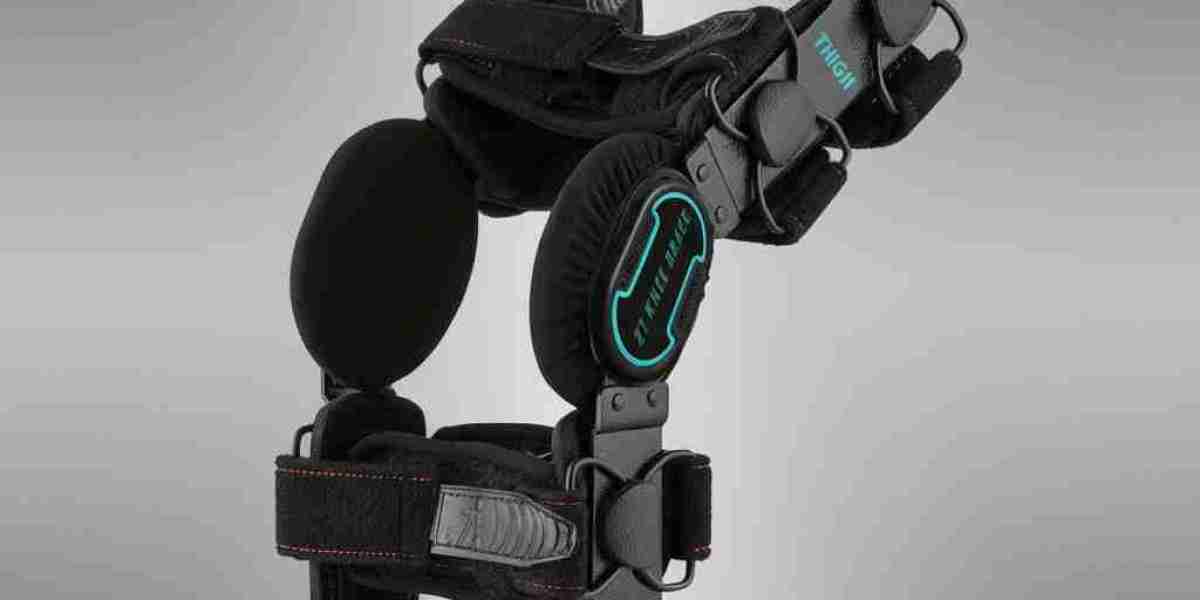

An ACL (Anterior Cruciate Ligament) injury is one of the most common and serious knee injuries, especially among athletes and active individuals. Whether the injury is managed conservatively or after surgery, a knee brace ACL plays a crucial role in stabilizing the joint, preventing further damage, and supporting safe movement during recovery.
What Is an ACL Knee Brace?
An ACL knee brace is a specialized orthopedic device designed to control excessive knee movement, particularly forward tibial translation and rotational instability caused by ACL damage. These braces are engineered to protect the ligament while allowing controlled motion, making daily activities and rehabilitation safer.
How a Knee Brace Helps in ACL Injuries
1. Provides Knee Stability
ACL injuries often lead to a feeling of the knee “giving way.” An ACL brace reinforces the knee joint with rigid or semi-rigid hinges that mimic ligament support and enhance joint stability.
2. Reduces Pain and Swelling
By limiting abnormal movement and distributing load evenly across the knee, the brace helps reduce stress on injured tissues, leading to less pain and inflammation.
3. Prevents Re-Injury
During sports or physical activity, an ACL knee brace acts as a protective shield, reducing the risk of sudden twisting or hyperextension that could worsen the injury.
4. Supports Post-Surgery Recovery
After ACL reconstruction surgery, doctors often recommend knee braces to protect the graft, guide proper motion, and improve confidence while walking or exercising.
Types of ACL Knee Braces
Functional ACL Braces:
Used after recovery or during sports to prevent re-injury. Ideal for athletes returning to activity.Rehabilitative ACL Braces:
Commonly prescribed after surgery to control range of motion and protect the healing ligament.Prophylactic Knee Braces:
Designed for injury prevention, especially in high-impact sports.Hinged Knee Braces:
Provide maximum stability with metal or polymer hinges, suitable for moderate to severe ACL injuries.
Who Should Use an ACL Knee Brace?
Athletes with partial or complete ACL tears
Post-operative ACL reconstruction patients
Individuals experiencing knee instability
People involved in high-risk sports like football, basketball, or skiing
How to Choose the Right Knee Brace for ACL
When selecting an ACL knee brace, consider:
Severity of injury (partial vs complete tear)
Activity level (daily use or sports)
Fit and comfort (adjustable straps, breathable material)
Doctor’s recommendation
A well-fitted brace ensures optimal support and prevents discomfort or skin irritation.
Final Thoughts
A knee brace for ACL injuries is more than just a support accessory—it’s an essential rehabilitation and prevention tool. From improving knee stability and reducing pain to boosting confidence during movement, the right ACL brace can significantly enhance recovery outcomes. Always consult a healthcare professional to choose the most suitable brace for your condition and activity needs.